The Essential Guide to Home Inspections: What Buyers Need to Know
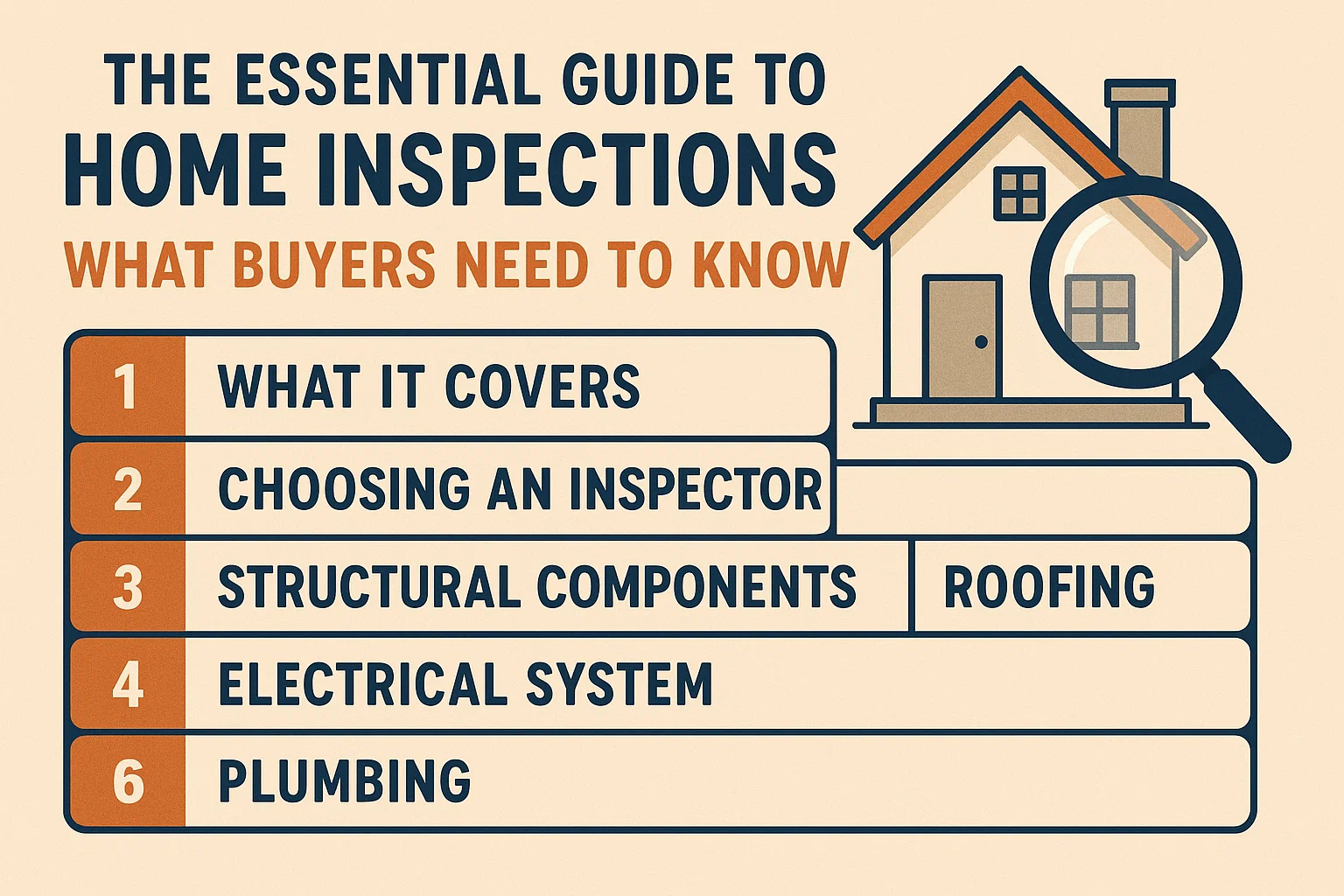
The Essential Guide to Home Inspections: What Buyers Need to Know
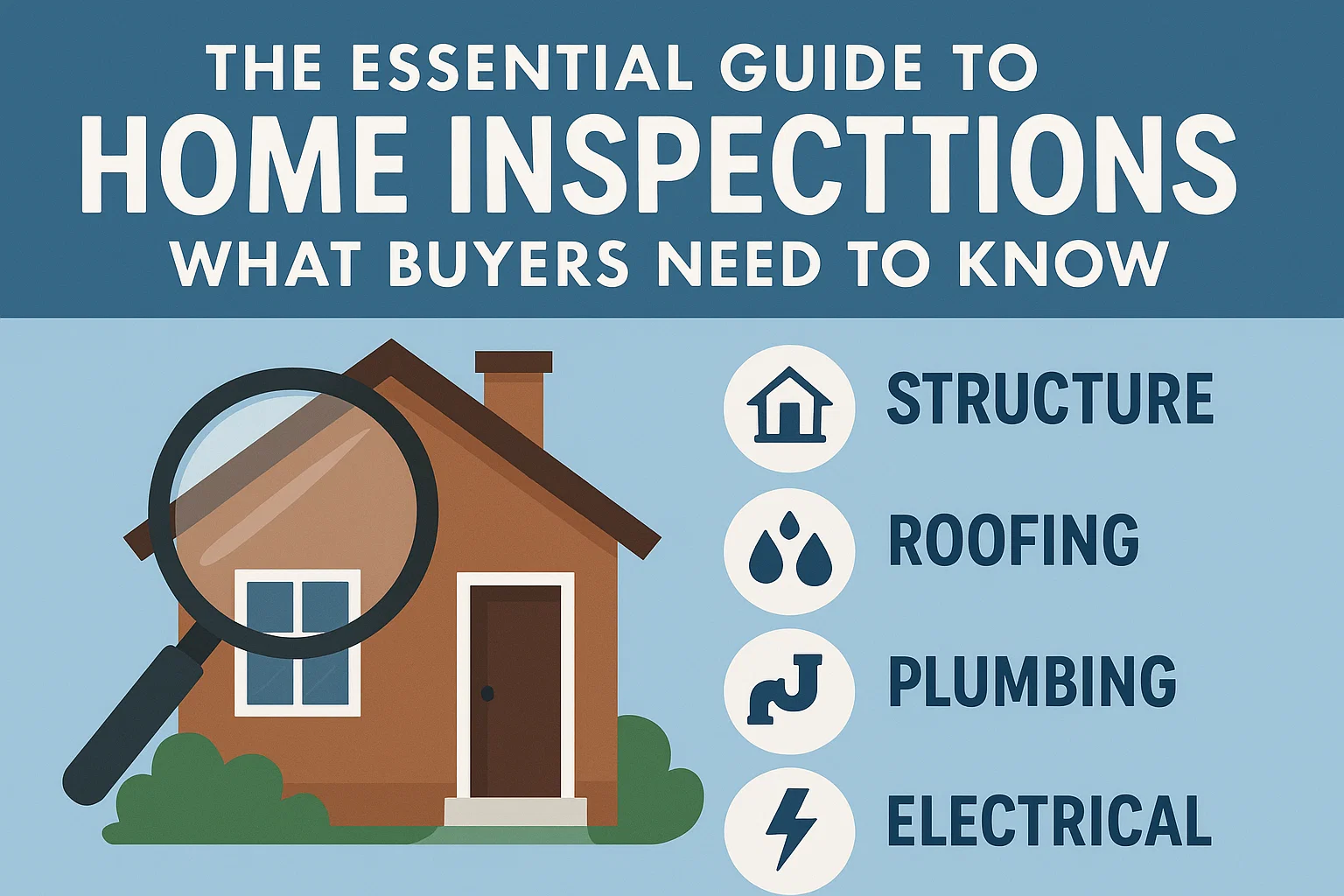
Before making one of the most significant investments of your life, a professional home inspection is crucial. Inspectors evaluate the physical structures and systems of a property, ensuring you understand exactly what you’re purchasing. From the roof to the foundation, their report highlights the home’s condition, empowering buyers to negotiate repairs, adjust pricing, or make informed decisions about moving forward.
Why a Home Inspection Matters
A home inspection typically occurs after signing a purchase agreement but before finalizing the sale. While the national average cost is around $326, this investment can save you thousands by uncovering hidden issues. Buyers and sellers often agree on a price before the inspection to avoid unnecessary expenses, but the results can still reopen negotiations or even allow the buyer to walk away if major problems arise.
What Does a Home Inspector Check?
Inspectors focus on accessible areas and key systems. Here’s a breakdown of their primary evaluations:
Structural Components
- Foundation, floors, walls, ceilings, and roof for cracks, leaks, or damage
- Condition of siding, windows, and doors
Electrical Systems
- Wiring, circuit breakers, and electrical panels
- Number and functionality of outlets, switches, and fixtures
Plumbing Systems
- Faucets, drains, pumps, and water heaters
- Water pressure, corrosion, and potential leaks
HVAC Systems
- Age and efficiency of heating and cooling units
- Solar or renewable energy systems (upon request)
Note: Additional inspections may be required for septic tanks, wells, or pests, depending on local regulations or lender requirements.
How to Use Inspection Results
Few inspection reports come back flawless. Minor issues, like outdated fixtures, can be leveraged to negotiate a lower price. Major concerns—such as water damage or faulty wiring—may require the seller to make repairs before closing. If problems are too severe, buyers can withdraw from the purchase entirely.
Finding a Qualified Inspector
Ask your real estate agent for recommendations or search for certified professionals through industry organizations. Always accompany the inspector during their evaluation—this provides firsthand knowledge of your potential home’s systems and maintenance needs.
Final Steps
A home inspection arms you with critical insights to finalize your decision. Whether you proceed with the purchase, renegotiate terms, or walk away, this process ensures you invest with confidence. For financing questions, consult a loan officer to discuss your options.