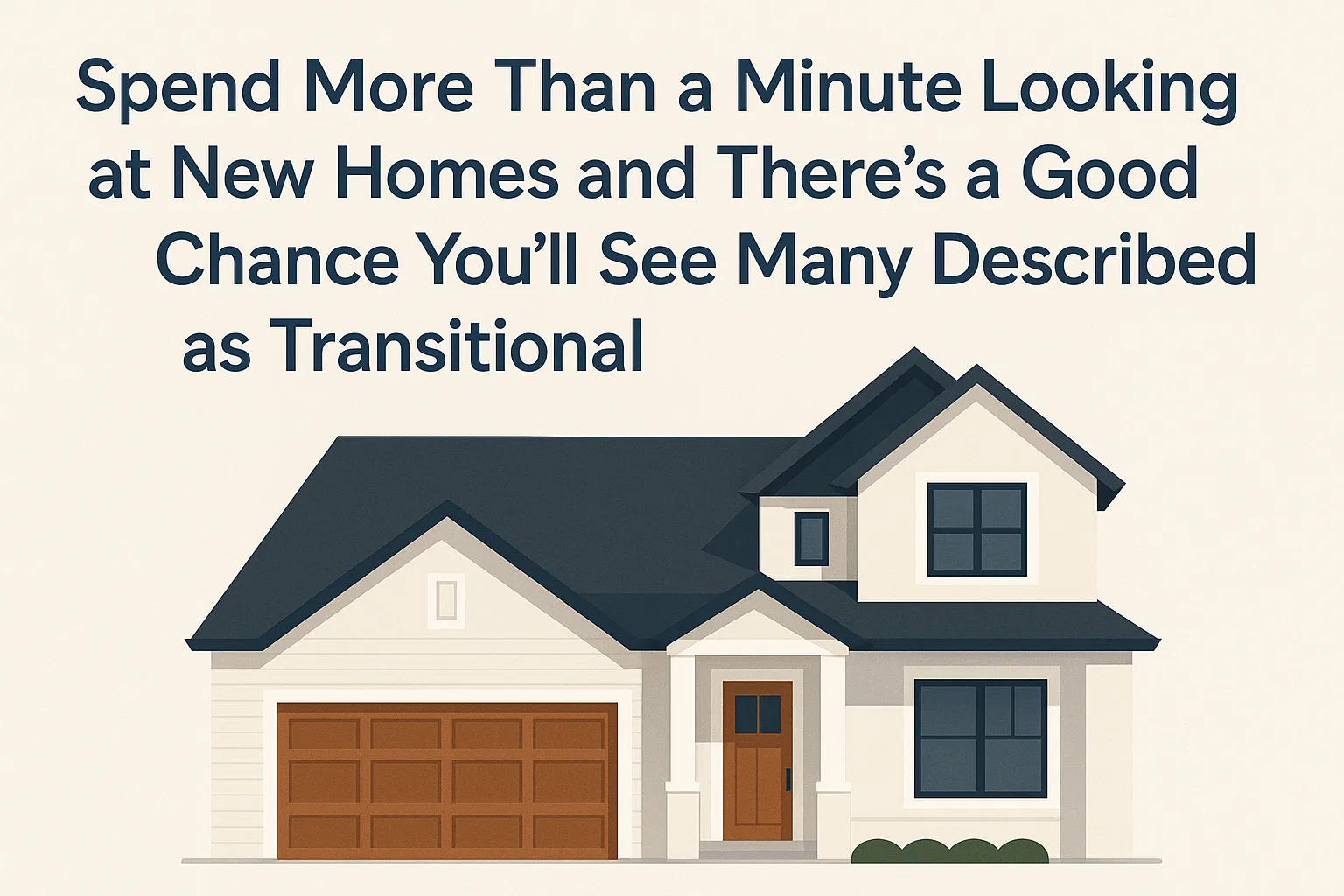
Spend More Than a Minute Looking at New Homes and There’s a Good Chance You’ll See Many Described as Transitional
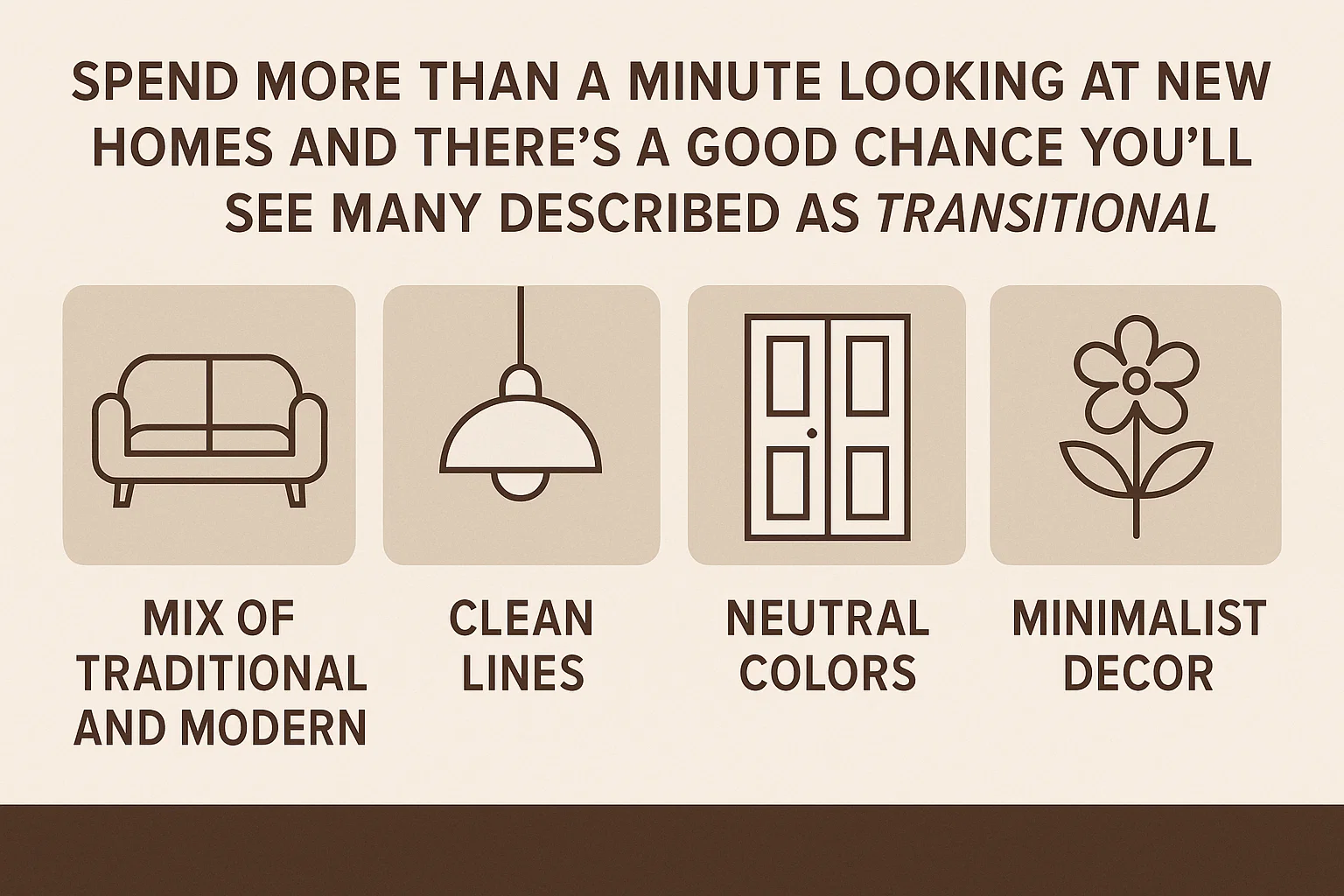
Spend More Than a Minute Looking at New Homes and There’s a Good Chance You’ll See Many Described as Transitional
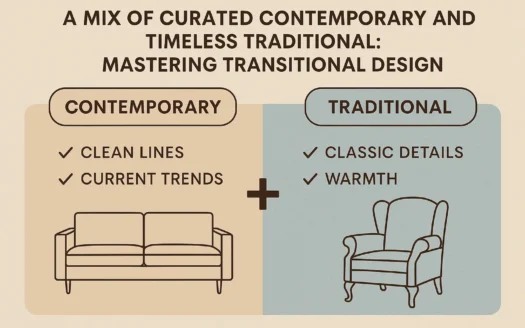
Transitional home design may seem loosely defined, but it typically refers to spaces that blend multiple styles into a cohesive aesthetic tailored for modern living. “The meaning of transitional really can depend on who you talk to these days,” says Dave Kosco, director of design for Bassenian Lagoni Architects. “But it’s always been consistent in my mind. To me, it is architecture in transition.”
Adapting Classic Aesthetics for Modern Living
Unlike traditional architectural styles such as Mediterranean or Craftsman, transitional design synthesizes diverse elements to create fresh interpretations. Architects today are increasingly driven by demographic shifts, sustainability goals, and evolving homeowner needs to innovate for the mass market. “We’re at the forefront of this renaissance,” says Kosco, highlighting projects like two Millennial-focused homes rooted in consumer research.
Transitional design often balances tradition and modernity. “It takes those outside fringes and brings them to a center point,” Kosco explains, describing it as a bridge between eras. This approach is showcased in Bassenian Lagoni’s upcoming book, Transitional Design — Redefining Residential Architecture, which explores the style’s evolution through 20+ designs.
Bringing the Outdoors Inside
Seamless indoor-outdoor connections are a hallmark of transitional homes. Courtyards, covered patios, and expansive glass walls blur boundaries, while natural light floods interiors through corner windows and transoms. Advances in affordable door systems, like those from Western Doors and Windows, have made these features accessible for production homes. “Ten years ago, walls of glass were not economically feasible,” notes Kosco.
Adaptable Floor Plans, Functional Design
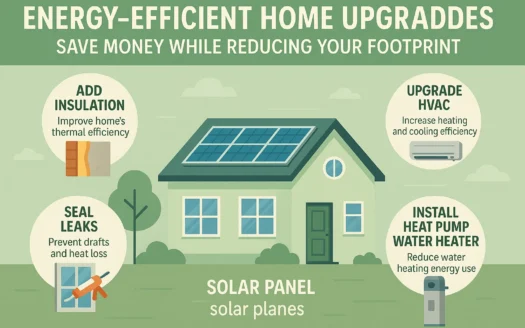
Flexibility is key. Transitional homes often include open-concept layouts, multi-functional spaces, and sustainable elements integrated as design features. Solar panels as window awnings or functional shading demonstrate how practicality meets aesthetics. “This approach opens a Pandora’s Box of possibilities,” says Kosco, emphasizing adaptability for smaller lots and evolving lifestyles.
Unlike rigidly defined styles, transitional architecture thrives on innovation. Builders can optimize unusual lot shapes, while interiors accommodate changing needs. “Houses now have more purpose and function — both inside and out,” Kosco concludes, signaling a new era in residential design.