How Credit Scores Shape Mortgage Opportunities in an Uncertain Economy
How Credit Scores Shape Mortgage Opportunities in an Uncertain Economy
Amid ongoing economic uncertainty, the fluctuating stock market has contributed to a sustained decline in mortgage rates. While this trend has created favorable conditions for borrowers, experts caution that the window of opportunity may not remain open indefinitely.
Current Mortgage Rate Trends
Recent data shows 30-year fixed-rate mortgages hovering near their lowest levels in two years. These daily fluctuations underscore the importance of timing for prospective homebuyers or those considering refinancing.
Key Factors in Mortgage Rate Determination
Lenders use risk-based pricing to assess borrower eligibility, evaluating multiple criteria to determine interest rates:
- Credit score
- Loan-to-value ratio (LTV)
- Property type and usage
- Down payment size
- Selected loan program
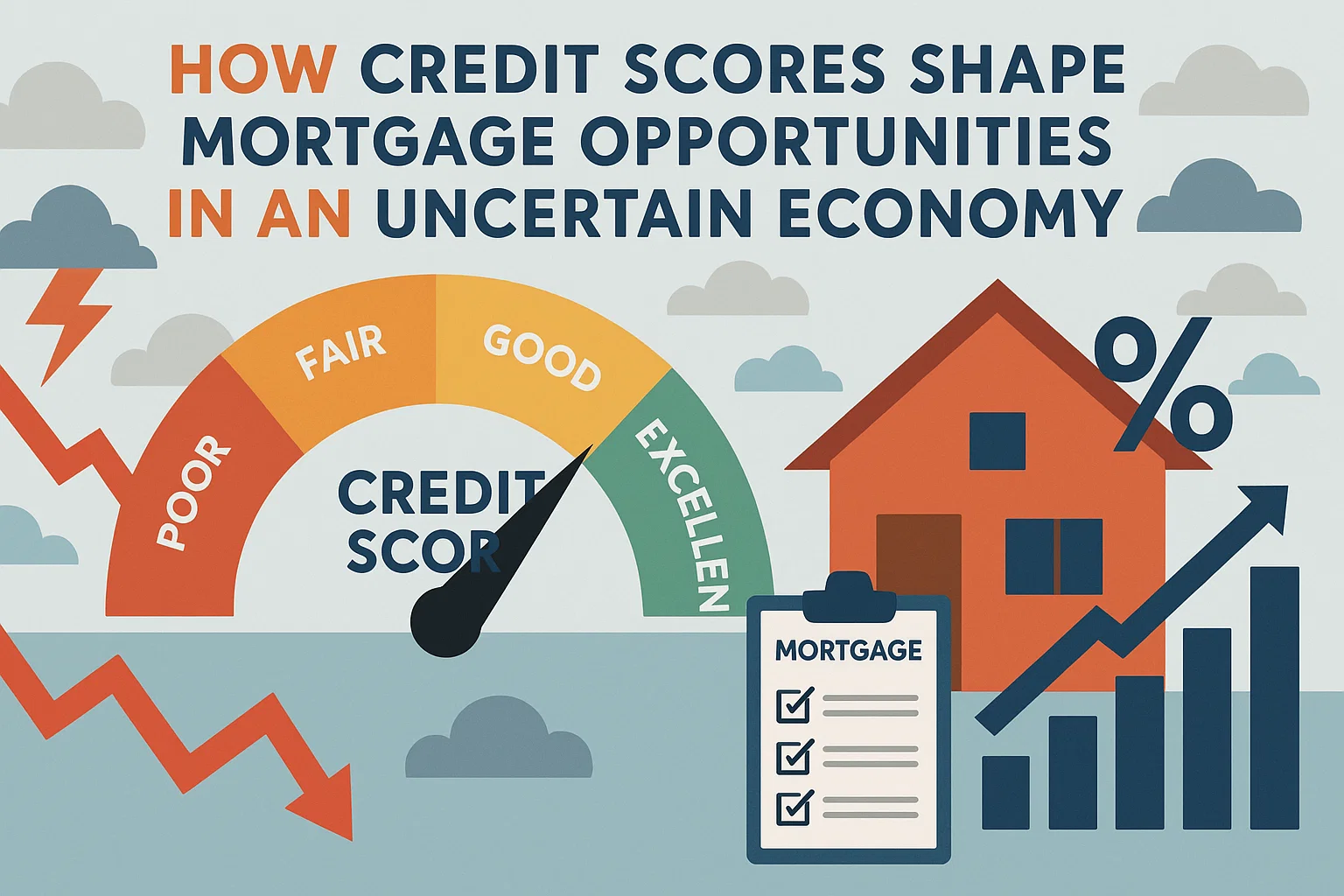
The Critical Role of Credit Scores
Your credit score significantly impacts your mortgage terms:
- 740+: Typically qualifies for optimal rates and loan terms
- Below 740: May face higher rates with specialized loan options
Borrowers with lower scores should explore credit improvement strategies to enhance their financial positioning.
Navigating the Current Market
With rates remaining historically low, potential borrowers should consider:
- Getting pre-qualified to lock in current rates
- Using digital mortgage tools for streamlined applications
- Automating financial document submission for faster processing
Maximizing Your Mortgage Potential
Proactive financial management and understanding lender requirements can help secure the most favorable terms. Regular credit monitoring and timely financial decisions remain crucial in this evolving economic landscape.