In All of the Excitement of Buying Your First Home, Furnishing It May Have Been Forgotten
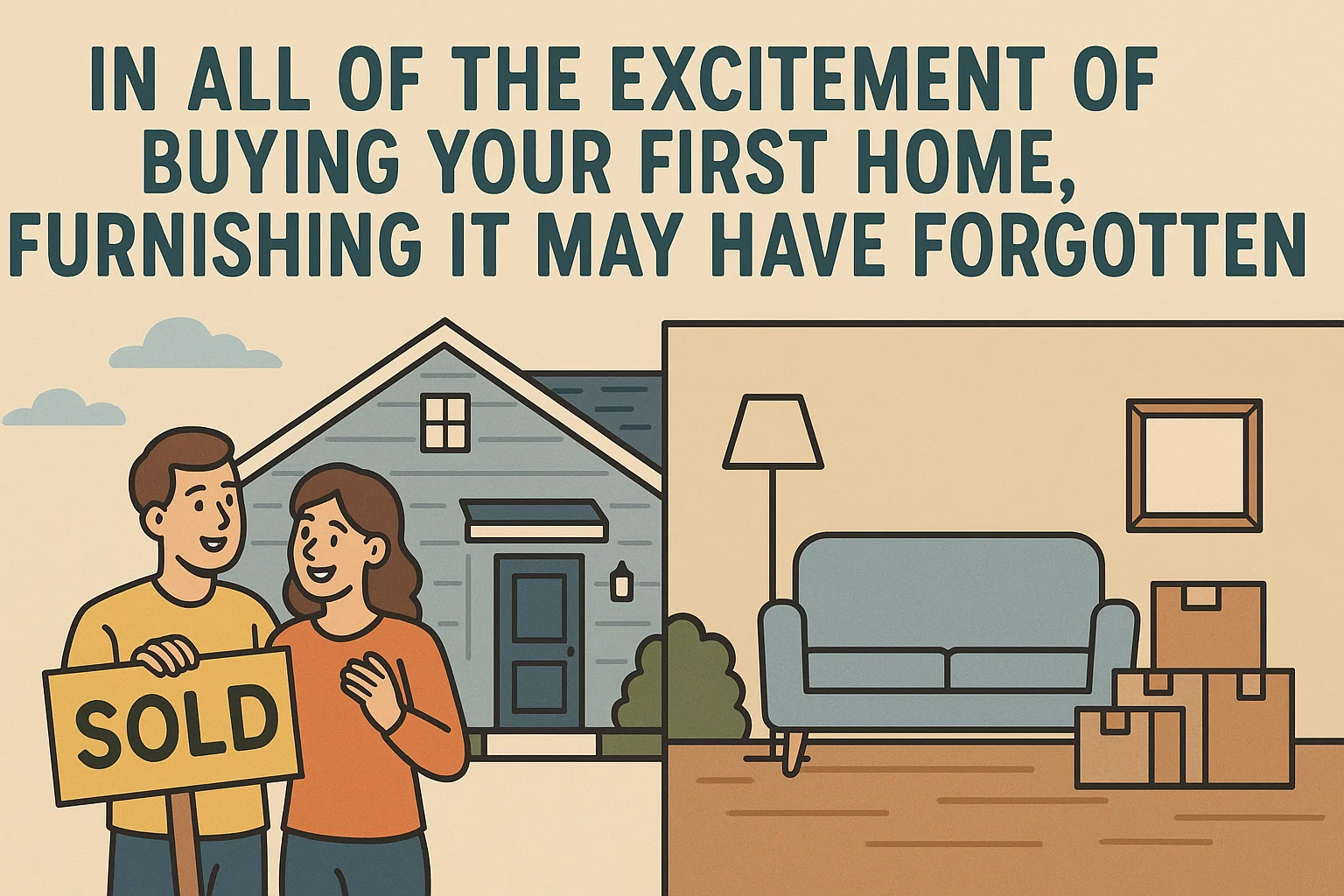
In All of the Excitement of Buying Your First Home, Furnishing It May Have Been Forgotten
You move in and suddenly … wow. There’s a lot more space than you had in your apartment. You need new furniture, new rugs, new lamps, new art work, new accessories … and, well, new everything! Furnishing your first home is a once-in-a-lifetime experience that you want to both enjoy and get right. Before you run out to hit the home furniture stores, take a minute to read through this list of the four most common home furnishing mistakes that new home buyers make—and how to avoid them.
1. Buying Everything All at Once
Many new homeowners rush out to buy as much as they can to fill up the home and be “done with” the move. But this is a mistake. Furnishing the home all in one go often leads to clutter, mismatches, and decorating blunders. You may settle for a less-than-ideal piece simply because it’s available now.
A better approach is to take time to plan what you want each room to look like. Get used to the way light comes through the windows, how you naturally position yourself in the room, and how you actually use the space. Buy essentials right away, but take your time with the rest. “Your home should tell the story of who you are and be a collection of what you love,” advises interior designer Nate Berkus.
If moving from a rental, you likely already have basics covered for rooms like the bedroom, bathroom, or kitchen. Focus on creating a thoughtful plan for living areas—the spaces you’ll want to showcase.
2. Eyeballing It
In the excitement of finding the “perfect” piece, you might eyeball the size and assume it’ll fit. Not a good idea. Always measure your space before browsing. Note room dimensions (length, width, ceiling height) and available space for furniture placement. Account for existing pieces, walkways, windows, and doors.
Scale is one of the most overlooked yet visually impactful aspects of decorating. A too-small sofa may look dwarfed by vaulted ceilings, while an oversized sectional might overwhelm a cozy den. Measure doorways and hallways for large items—no matter how perfect a piece seems, it’s useless if it can’t fit through the front door.
3. Going Square
Placing furniture strictly against walls is a common mistake. This layout can feel rigid, cold, or cavernous in open floor plans. Instead, get creative! Pull furniture away from walls to create intimate zones for reading, TV watching, or socializing. Use décor to define spaces in open concepts, like separating the kitchen from the living area. Just ensure there’s enough room for comfortable movement.
4. Overfilling the Room
New homeowners often have a blank slate, but resist the urge to cram every corner with furnishings. Start with essentials for each room, then pause. “Depending on the space and your budget, you can start simply and let the space grow over time,” says Kay Wade, vice president and head designer at Closet Factory. Personal preference matters—some prefer cozy, layered spaces, while others lean minimalist. Your home should reflect your style.
Take All the Time You Need
There’s no deadline for furnishing your home. Many designers recommend taking up to a year to decorate. As designer Suzanne Kasler notes, “One of the hardest things to do is finish it, because you’re always finding and adding your next favorite thing.” Your home is a reflection of you—it can evolve as your tastes and needs change. Relax, shop thoughtfully, and pull your space together at your own pace.