New Home Buyers: City Center vs. Suburban Opportunities
New Home Buyers: City Center vs. Suburban Opportunities
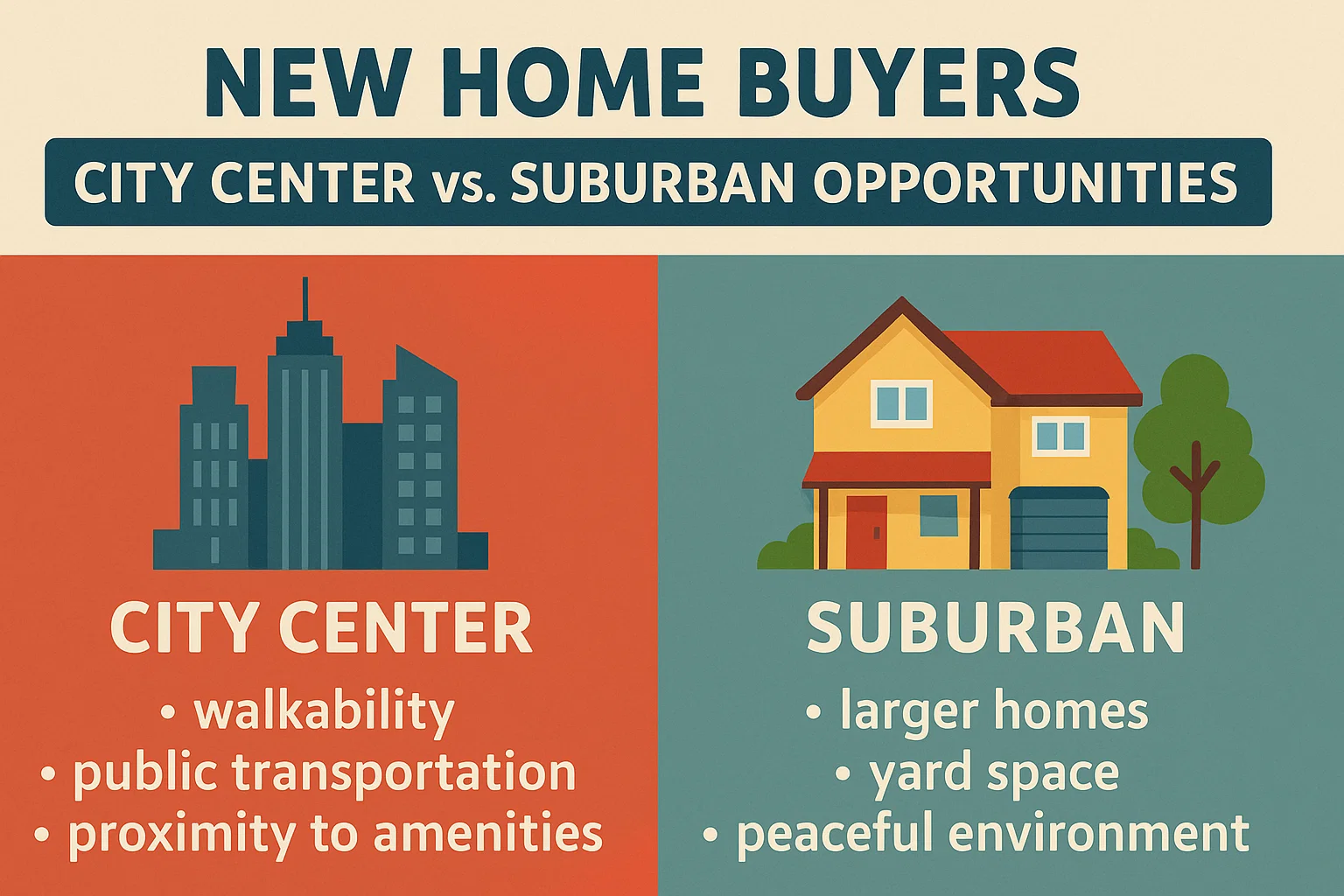
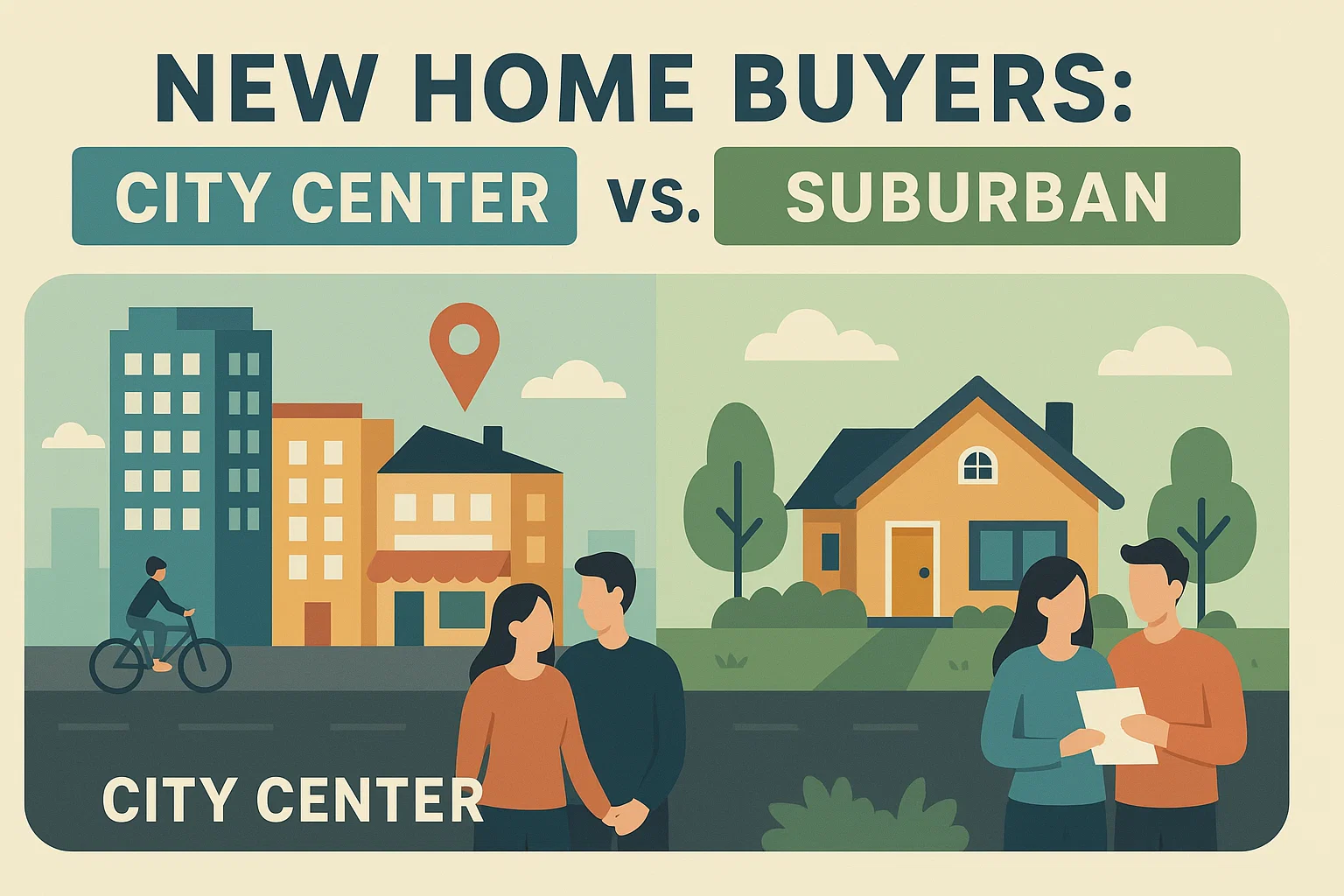
Some brand-new homes are built in city centers, while others are constructed farther out in expansive communities of hundreds or even thousands of homes. For today’s buyers, these suburban homes can offer a particularly attractive value proposition.
Price Gaps and Market Trends
According to real estate analysts, city-center homes have rebounded in value far faster than suburban properties in many markets since the Great Recession. Lance Ramella, a senior vice president at John Burns Real Estate Consulting, notes that slower appreciation in outlying areas creates opportunities for buyers to purchase new-construction homes at more affordable prices.
“You’re not going to get all the bells and whistles and amenities, but you’re still going to get a pretty nice house for relatively little money in some of these distant suburbs,”
he says.
Regional Examples
Chicago: Ramella highlights Naperville, an hour’s drive from Chicago, where prices hover near pre-recession levels. However, homes four towns farther out are priced up to 30% lower than pre-2008 values.
“Now, maybe that $500,000 home is $450,000, and that $300,000 home is closer to Naperville than it was,”
he explains.
San Francisco Bay Area: Dean Wehrli, another senior vice president at John Burns, points to cities like Tracy and Antioch as examples of outlying regions where price gaps remain significant.
“Core-established areas tend to outperform their historical norms relative to more outlying areas,”
he states.
Suburban Advantages
Wade Messenger, vice president of sales for Pulte Homes in Albuquerque, emphasizes suburban benefits:
“Further from the central hub, you’ll get a better value, a bigger house, and newer amenities like schools and parks. Parents might commute farther, but family activities are closer to home.”
He attributes pricing differences primarily to land costs rather than construction expenses.
Exceptions to the Trend
In Las Vegas, geography disrupts the typical urban-suburban divide. Joanne Stucky, a local real estate agent, explains:
“We’ve already built the ‘too far out.’ Now, infill developments in established master-planned communities like Summerlin are attracting buyers with pre-built conveniences.”
Risks and Considerations
Buyers must weigh tradeoffs: suburban homes may offer affordability but lag in appreciation and school quality.
“You might save $300 a month for a larger home in a modern neighborhood, but you’re further from work and amenities,”
notes Messenger. Wehrli adds that price gaps could signal opportunity—or vulnerability in a downturn.
Final Takeaways
The decision hinges on priorities: immediate urban access versus long-term affordability and space. As markets evolve, buyers are encouraged to analyze local trends, commute costs, and lifestyle preferences before committing.