Understanding FHA Loans: A Pathway to Affordable Homeownership
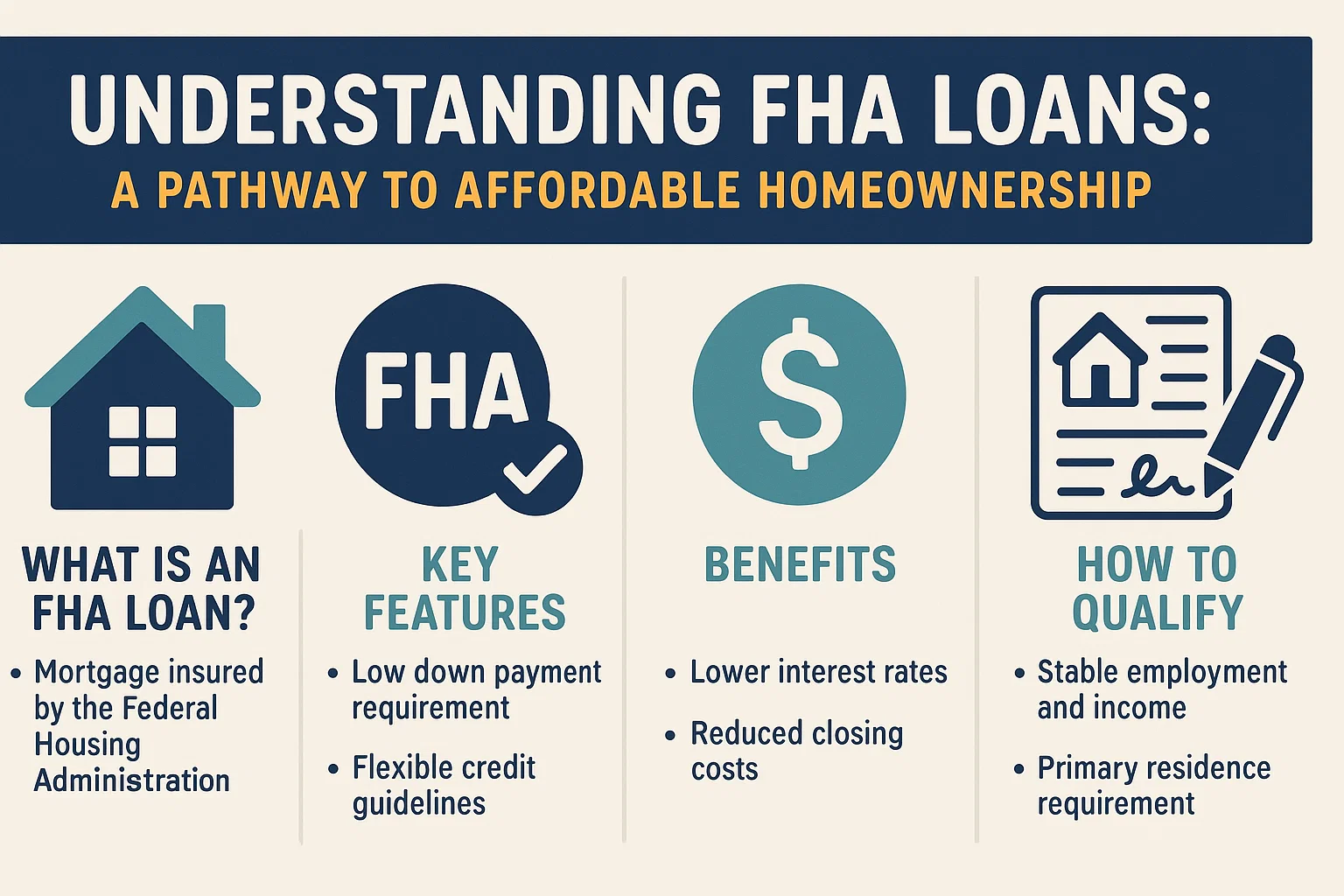
Unlocking Homeownership with FHA Loans
For many aspiring homeowners, the journey to buying a house can feel daunting. Between saving for a down payment and navigating credit requirements, traditional mortgages may seem out of reach. However, FHA loans offer a flexible and accessible alternative, opening doors for buyers who need a little extra support.
What Is an FHA Loan?
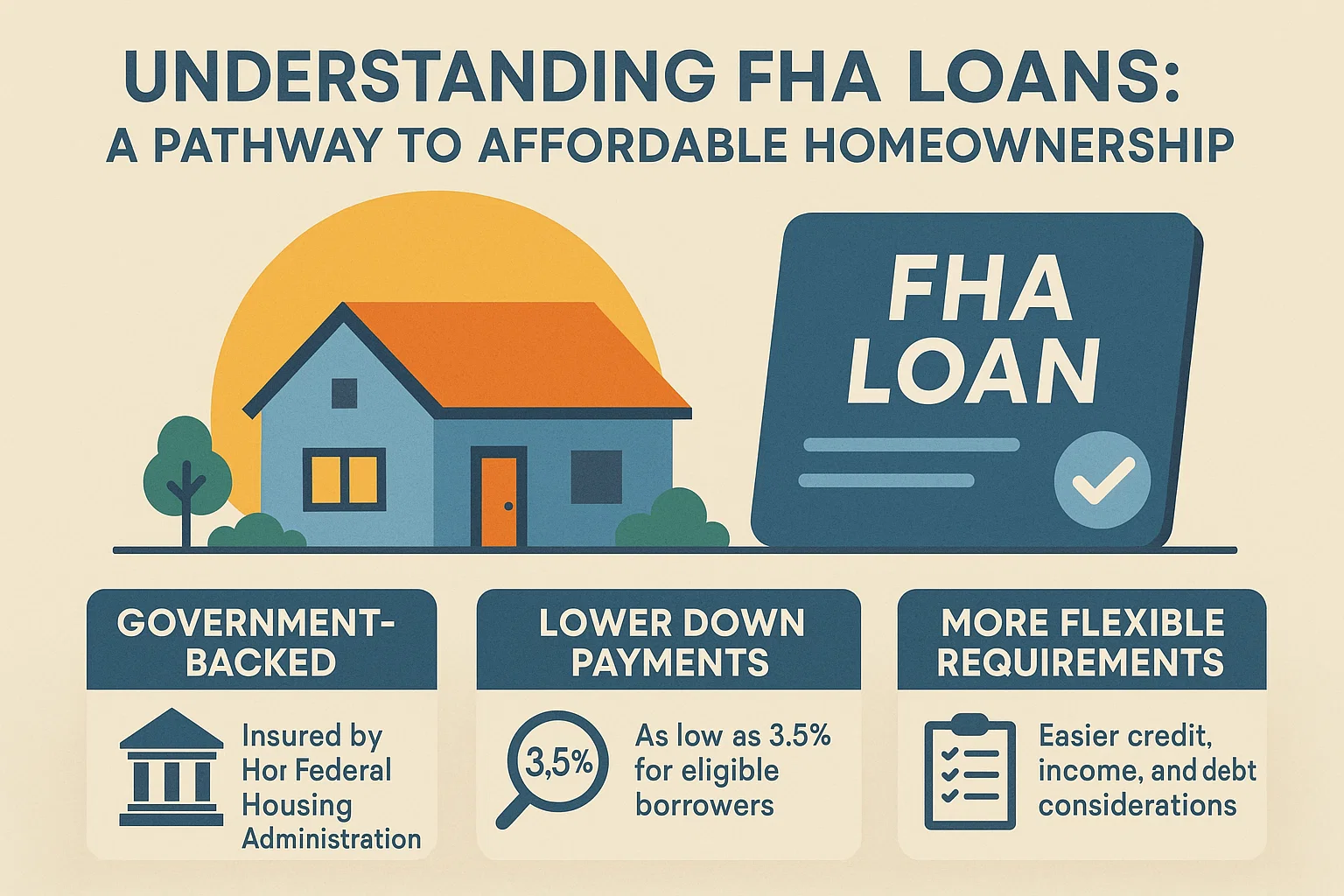
An FHA loan is a government-backed mortgage insured by the Federal Housing Administration (FHA). This insurance reduces risk for lenders, allowing them to approve borrowers who might not qualify for conventional loans. If a borrower defaults, the FHA compensates the lender, making these loans a safer option for financial institutions and a lifeline for buyers.
Key Benefits of FHA Loans
- Lower Down Payments: Borrowers can qualify with as little as 3.5% down.
- Flexible Credit Requirements: A FICO score of 580–640 is typically sufficient.
- Debt-to-Income Flexibility: Higher debt ratios may be accepted compared to conventional loans.
- Refinancing Opportunities: Existing homeowners can refinance to secure better rates.
Qualification Criteria
To secure an FHA loan, applicants must meet the following requirements:
- Verifiable and steady income
- Ability to cover monthly housing payments and existing debts
- Minimum 3.5% down payment
- Established credit history
- Property purchase within FHA loan limits
Types of FHA Loans
The most common option is the 203(b) Basic Home Mortgage Loan, designed for purchasing or refinancing a primary residence. Other specialized FHA loans cater to renovation projects (203(k) loans) or energy-efficient upgrades.
Recent Updates to FHA Loans
Recent changes have made FHA loans even more accessible:
- Lower Mortgage Insurance Premiums: Reduced fees ease long-term costs for borrowers.
- Higher Loan Limits: Adjusted thresholds accommodate rising home prices in many regions.
Is an FHA Loan Right for You?
FHA loans are ideal for first-time buyers, those with limited savings, or applicants with imperfect credit. However, consulting with a mortgage specialist is crucial to evaluate your financial situation and explore all available options.